

Burning Oil Car Symptoms
Engine oil is the lifeblood of your car, responsible for lubricating internal components, reducing friction, and protecting the engine from wear. But what happens when the engine starts "burning" this oil instead of using it normally? This problem may seem simple at first, but it can develop into serious malfunctions that cost you a lot. In this article, we'll explore the most prominent burning oil car symptoms, their causes, risks, and how you can protect your engine from this issue.
What is Burning Oil in a Car?
Burning oil means that oil is leaking into the combustion chamber inside the engine and burning with the fuel, instead of staying in the lubrication system to perform its primary function. This leads to a continuous decrease in oil quantity without any visible external leak, and is usually accompanied by smoke from the exhaust and a distinctive smell.
The Difference Between Normal Consumption and Burning Oil
It's normal for some cars to consume a very small amount of oil over time, especially in older or high-performance engines. However, normal consumption is extremely limited and doesn't exceed about a quarter liter every 5,000 kilometers. Real oil burning is characterized by noticeable and rapid decrease in oil level, with clear symptoms such as blue smoke and strong odor.
Most Prominent Burning Oil Car Symptoms
Blue Smoke from the Exhaust
This symptom is the most obvious and indicative of burning oil. When oil enters the combustion chamber and burns with the fuel, it produces blue or grayish-blue smoke that comes out of the exhaust. This smoke may be more visible when starting the car in the morning or during hard acceleration.
Noticeable Decrease in Oil Level
If you find yourself adding oil to the engine frequently without any obvious leak under the car, this means the engine is burning oil internally. Regular checking of the oil level using the dipstick will help you detect this problem early.
Smell of Burning Oil
The smell of burning oil is distinctive and unpleasant, and you may notice it inside the car cabin or near the ventilation openings. This smell results from oil burning in the combustion chamber or leaking onto hot engine parts.
Weak Engine Performance or Increased Fuel Consumption
Burning oil negatively affects engine efficiency, as it interferes with the normal fuel combustion process. You may notice that your car has become less powerful, fuel consumption has increased unexpectedly, or the engine is running irregularly.
Causes of Engine Oil Burning
Wear of Internal Engine Parts
Over time and with long use, internal engine parts such as cylinder walls and pistons wear out. This wear creates gaps that allow oil to leak into the combustion chamber, especially in older cars or those that have covered long distances.
Damaged Valves or Piston Rings
Piston rings are responsible for preventing oil from leaking from the lubrication system into the combustion chamber. When these rings wear out or get damaged, oil starts to leak and burn. Similarly, damaged valve seals or valve guides can cause the same problem.
Using Inappropriate Oil
Using engine oil with viscosity unsuitable for your engine type or climatic conditions may increase the oil burning problem. Learn more about choosing the right engine oil viscosity for optimal performance.
Oil that's too thin may leak easily, while oil that's too thick may not reach all parts efficiently, leading to lubrication problems.
Neglecting Oil Changes on Schedule
Delaying oil changes leads to deterioration of its properties and loss of effectiveness, which increases friction and heat inside the engine. This accelerates wear of internal parts and increases the likelihood of oil burning.
Risks of Continuing to Drive with Burning Oil
Long-Term Engine Damage
Continuing to drive with burning oil without addressing the problem can lead to permanent engine damage. Low oil means insufficient lubrication, which increases friction and heat and causes rapid wear of internal parts, and may end with complete engine failure.
Engine Overheating
Oil plays an important role in cooling the engine by transferring heat from internal parts. When oil level decreases due to burning, the engine loses part of its cooling capacity, leading to increased temperature and potential risks of overheating. Discover the causes and solutions for an overheated engine to prevent serious damage.
Increased Maintenance Costs
The longer you delay treating the oil burning problem, the more damage increases and repair costs rise. What might be a simple valve seal replacement could turn into a need for complete engine overhaul if neglected.
How Does the Right Engine Oil Help Reduce Oil Burning?
Importance of Choosing the Correct Viscosity
Choosing engine oil with the appropriate viscosity grade specified by the manufacturer is extremely important. Not sure which oil is right for your car? Check out our guide on selecting the right oil for each car.
The correct viscosity ensures that the oil maintains an appropriate protective layer between moving parts, reducing leakage and burning. TotalEnergies oils are available in various viscosity grades to suit all engine types.
Role of Oil Quality in Engine Protection
High-quality oils contain advanced additives that resist degradation and maintain oil properties for longer, reducing engine wear and limiting the oil burning problem. TotalEnergies oils are designed with advanced technologies to provide maximum engine protection under various operating conditions.
Protect Your Engine with TotalEnergies Quartz Oils
Don't let oil burning damage your engine. TotalEnergies Quartz series delivers the protection you need with proven formulations trusted by drivers worldwide.
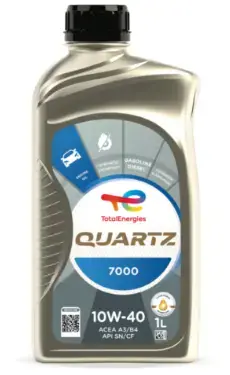
Need heavy-duty performance? Quartz 7000 10W-40 has you covered. Each oil is engineered with advanced additives to prevent leaks, reduce consumption, and keep your engine running smoothly for longer.
Browse our complete product range or find your nearest authorized distributor today.
Tips to Avoid Oil Burning Problems
Monitor Oil Level Regularly
Make it a habit to check the oil level at least once every two weeks, especially before long trips. Regular checking helps you detect any abnormal decrease early before the problem worsens.
Commit to Oil Changes
Follow the maintenance schedule recommended by the manufacturer for changing engine oil and filter. In harsh conditions such as driving in congested cities or hot weather, you may need to change oil more frequently.
Inspect the Engine When Any Abnormal Sign Appears
Don't ignore any unusual signs such as strange noises, vibrations, or poor performance. Early inspection can save you a lot of money and trouble.
When Should You Have Your Car Inspected by a Specialist?
Signs That Should Not Be Ignored
If you notice continuous blue smoke from the exhaust, rapid decrease in oil level, or strong burning oil smell, you should immediately go to a specialized maintenance center. Also, if the oil pressure light illuminates on the dashboard, stop driving immediately and call for assistance. Familiarize yourself with dashboard warning symbols to understand what your car is telling you.
Conclusion
Burning oil car symptoms are not just simple indicators that can be ignored, but are an early warning of a problem that could cost you an entire engine if not treated in time. By paying attention to blue smoke, monitoring oil level, and using high-quality engine oils like TotalEnergies oils, you can protect your engine and extend its lifespan. Remember that preventive maintenance and regular inspection are the keys to keeping your car in the best condition, saving you expensive repair costs and ensuring safe and comfortable driving.